About This Item
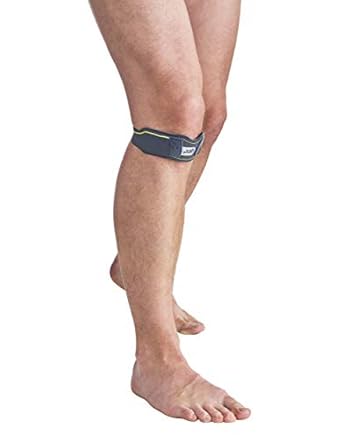
Introducing the Push Sports Patella Brace – the ultimate solution for those suffering from Jumper's Knee and Osgood-Schlatter Disease. Designed specifically to provide targeted pain relief and support during sports and competition, this brace is a game-changer.
If you're an athlete looking for a non-slip brace that stays in place, look no further. The Push Sports Patella Brace is expertly crafted with an anatomically shaped pad that not only offers comfortable support but also keeps it securely in place, even during the most intense activities.
But what sets this brace apart from the rest? Our patented design provides precise patella support, addressing the root cause of your pain.
Whether you're dealing with Jumper's Knee, Osgood-Schlatter Disease, or Patellar Tendonitis, this brace is your ticket to relief.
Incorporating this knee support into your sports routine is seamless. The one-size-fits-all design ensures a personalized fit for every user, eliminating the need for complicated measurements or guesswork. It's as easy as strap, secure, and conquer.
With its versatile design, the Push Sports Patella Brace can be used in a variety of athletic activities, including running, basketball, volleyball, and more.
Never let knee pain or instability hold you back from performing at your best again.
Don't settle for subpar knee braces. Invest in a quality product that will make a real difference in your performance. Get the Push Sports Patella Brace today and experience the relief and support you deserve.
Say goodbye to knee pain and hello to your best athletic self.
Nutritionist's Take
The Push Sports Patella Brace primarily serves as a supportive device for individuals suffering from Jumper's Knee and Osgood-Schlatter Disease. Nutritionists generally emphasize that while proper nutrition plays a crucial role in joint and muscle health, mechanical support like this brace can be vital for active individuals experiencing knee pain. The brace's non-slip design ensures it remains secure during physical activities, which could help athletes maintain their performance while managing discomfort. However, it is essential to note that the brace does not address underlying nutritional factors such as inflammation or tissue repair; thus, it should be used in conjunction with a balanced diet rich in anti-inflammatory foods, vitamins, and minerals. Potential drawbacks include reliance on the brace without addressing the root causes of pain, which could be exacerbated by poor dietary habits. Overall, while this product can be beneficial for temporary relief, it is not a substitute for a holistic approach to health that includes proper nutrition.